
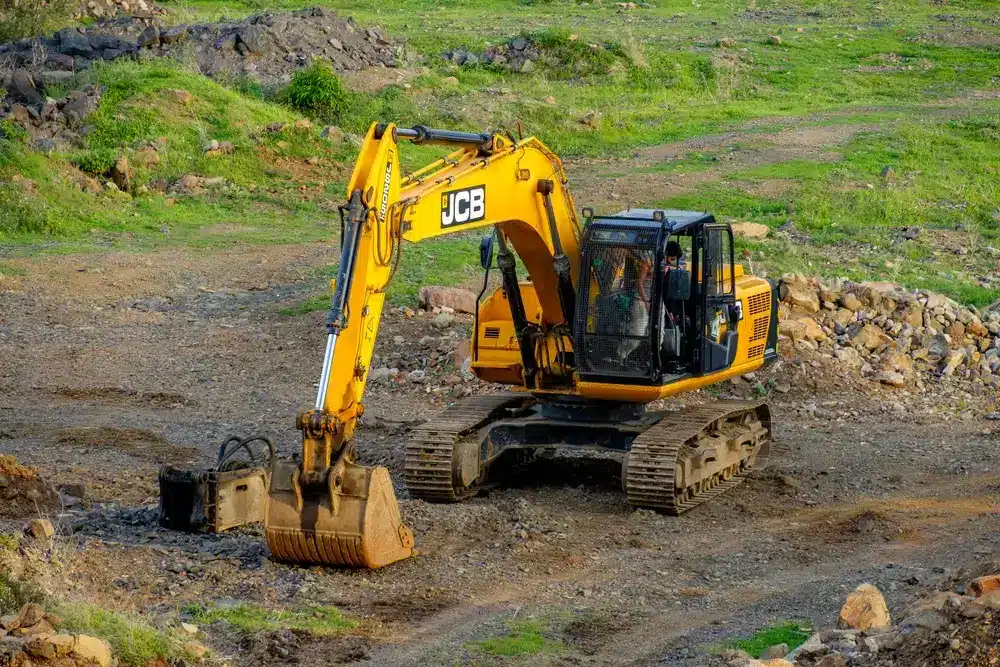
Working in rough terrains presents unique challenges for forestry professionals. Whether you’re tackling steep hillsides, navigating rocky surfaces, or maneuvering through dense vegetation, optimizing machine use in rough terrains requires specialized knowledge and strategic planning. The success of your forestry operations depends heavily on understanding how to maximize equipment efficiency while maintaining safety standards in these demanding environments.
Rough terrain operations demand more than just powerful machinery. They require a comprehensive understanding of equipment capabilities, terrain assessment, and operational techniques that can make the difference between a successful project and costly downtime. Let’s explore the essential strategies that will help you achieve peak performance in challenging forestry conditions.
Understanding terrain challenges and machine limitations
Before deploying any forestry equipment, conducting a thorough terrain assessment is crucial for optimizing machine use. Different soil conditions, slopes, and obstacles require specific approaches and equipment modifications. Rocky terrain may demand reinforced undercarriages, while soft, marshy ground requires machines with lower ground pressure and wider tracks.
Understanding your machine’s operational limits prevents costly breakdowns and ensures operator safety. Most boom lifts and forestry equipment have specific grade limitations, typically ranging from 15 to 30 degrees depending on the model. Exceeding these limits not only compromises stability but can also void warranties and create dangerous working conditions.
Environmental factors like weather conditions significantly impact machine performance in rough terrains. Wet conditions can reduce traction and increase the risk of equipment getting stuck, while frozen ground may affect hydraulic performance. Planning operations around optimal weather conditions maximizes efficiency and reduces operational risks.
Equipment modifications for challenging environments
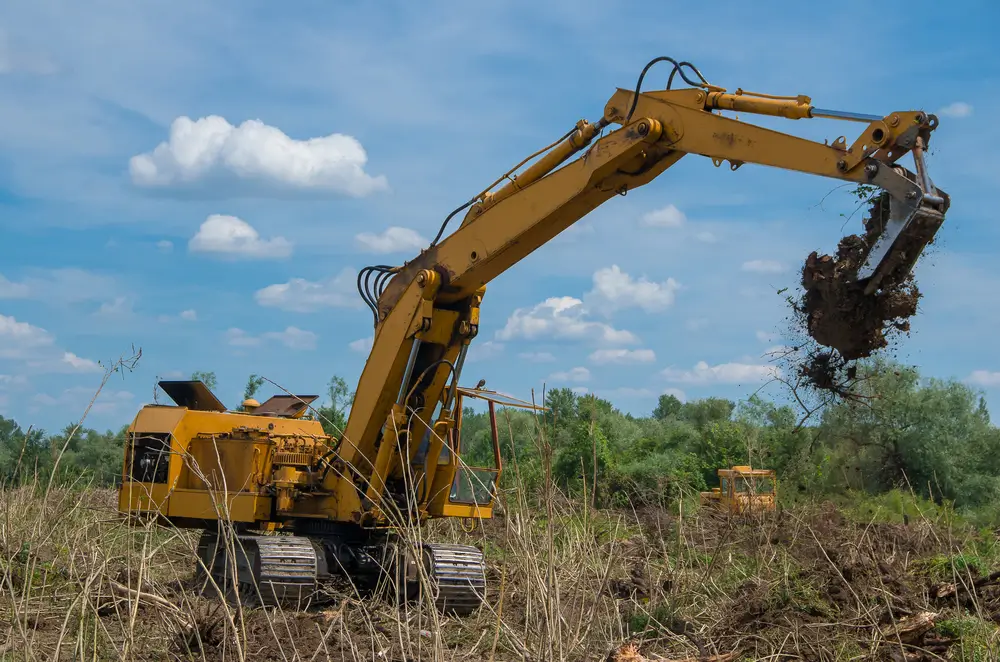
Adapting your machinery for rough terrain operations involves several key modifications that enhance performance and durability. Track systems often prove superior to wheels in challenging conditions, providing better weight distribution and improved traction on uneven surfaces.
Upgrading to high-flotation tires or installing tire chains can dramatically improve mobility in specific conditions. For boom lifts working in rocky environments, reinforced boom guards and undercarriage protection prevent damage from debris and rough surfaces. These modifications may require initial investment but significantly reduce maintenance costs and downtime.
Hydraulic system enhancements, including auxiliary cooling systems and heavy-duty filters, ensure consistent performance in demanding conditions. When machines work harder in rough terrain, they generate more heat and encounter more contaminants, making these upgrades essential for maintaining operational efficiency.
- Install reinforced tracks or high-flotation tires for improved traction
- Add boom guards and undercarriage protection for rocky terrain
- Upgrade hydraulic cooling systems for extended operation
- Implement heavy-duty filtration systems to handle increased contamination
Operational techniques for maximizing efficiency in rough terrains
Developing proper operational techniques is essential for optimizing machine use while working in challenging environments. Gradual acceleration and deceleration prevent wheel slip and reduce wear on drive components. When climbing steep grades, maintaining steady momentum while avoiding sudden direction changes ensures better traction and machine stability.
Creating access paths and temporary roads significantly improves efficiency in rough terrain operations. Using materials like gravel, timber mats, or specialized ground protection mats creates stable surfaces that allow equipment to operate more effectively. This initial investment in site preparation often pays dividends in reduced operational time and lower maintenance costs.
Implementing a systematic approach to work planning maximizes productivity. Starting with the most accessible areas and working systematically toward more challenging sections allows for better resource allocation and reduces the need for equipment repositioning. This strategy also provides escape routes if conditions deteriorate unexpectedly.
Operator training specific to rough terrain conditions cannot be overstated in importance. Skilled operators understand how to read terrain conditions, adjust operating techniques accordingly, and recognize when conditions exceed safe operational limits. Regular training updates ensure operators stay current with best practices and safety protocols.
Maintenance strategies for equipment in demanding conditions

Rough terrain operations accelerate wear and tear on forestry equipment, making proactive maintenance essential for maximizing efficiency. Implementing shortened service intervals for critical components like hydraulic fluids, filters, and track tension helps prevent unexpected failures during operations.
Daily pre-operation inspections become even more critical when working in challenging conditions. Checking for loose bolts, damaged hoses, and proper track tension before each shift prevents minor issues from becoming major failures. Pay particular attention to cooling system cleanliness, as debris accumulation can quickly lead to overheating in demanding applications.
Maintaining detailed maintenance records helps identify patterns and predict when components may require replacement. This data-driven approach to maintenance scheduling reduces unplanned downtime and helps optimize replacement part inventory. Consider implementing condition-based maintenance using sensors and monitoring systems for critical components.
Safety considerations and risk mitigation
Working in rough terrains introduces additional safety risks that require careful consideration and preparation. Establishing safety protocols specific to challenging terrain operations protects both operators and equipment. Always maintain communication with ground personnel and establish clear escape routes before beginning operations.
Proper machine setup and stabilization become even more critical on uneven surfaces. Using outriggers fully extended and positioned on solid ground ensures stability during boom operations. When working on slopes, position the machine with the boom pointing uphill whenever possible to maintain optimal stability.
Emergency preparedness takes on added importance in remote, rough terrain locations. Ensure recovery equipment like winches, chains, and tow straps are readily available. Consider satellite communication devices for areas with poor cellular coverage, and always inform others of your work location and expected return time.
Optimizing machine use in rough terrains requires a combination of proper planning, equipment preparation, skilled operation, and vigilant maintenance. By implementing these strategies, forestry professionals can maximize equipment efficiency while maintaining high safety standards in challenging environments. For expert guidance on selecting and optimizing forestry equipment for your specific terrain challenges, contact our team of specialists who can provide customized solutions tailored to your operational needs.