
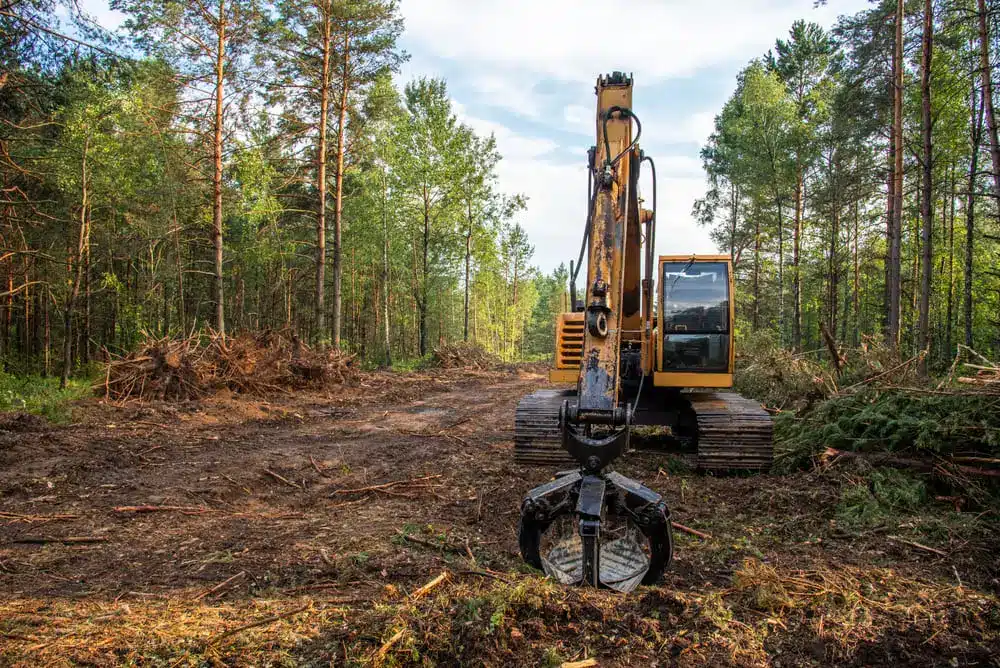
The land clearing equipment sector is undergoing a major transformation in 2026, driven by technological innovation and new environmental requirements. Forestry and vegetation management professionals must adapt to machines that are more efficient, more sustainable, and more intelligent. This evolution addresses the growing challenges of the industry: cost optimization, environmental responsibility, and improved operator safety. Let’s explore the land clearing machinery trends that are redefining the industry this year.
Electrification revolutionizes land clearing equipment
The electrification of land clearing machines marks a decisive turning point in 2026. Manufacturers are developing electric aerial lifts and hybrid equipment that significantly reduce the carbon footprint of forestry operations. This transition is supported by improved autonomy thanks to next-generation lithium-ion batteries, enabling up to 8 hours of continuous operation.
The benefits of electrification include a significant reduction in operational costs, with fuel savings reaching up to 70%. Electric equipment also operates much more quietly, which is essential for work in urban or environmentally sensitive areas. Operators benefit from a healthier working environment without exposure to exhaust fumes.
Manufacturers are heavily investing in the development of mobile fast-charging stations, providing greater flexibility for remote job sites. This innovation addresses contractors’ concerns about energy logistics on land clearing projects.
Artificial intelligence and process automation
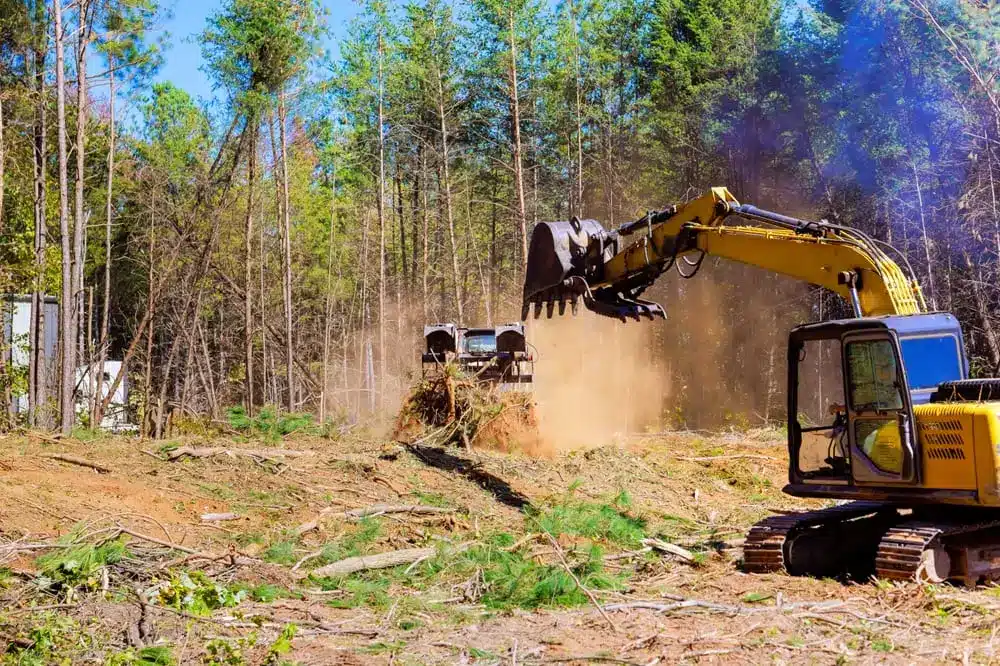
The integration of artificial intelligence into land clearing machines is radically transforming working methods. Computer vision systems can now automatically identify tree species, optimizing the selection of vegetation to preserve or remove. This technology improves the precision of operations and reduces human error.
Automated route planning systems are revolutionizing equipment navigation on difficult terrain. Machines can now map obstacles in real time and adjust their paths to maximize clearing efficiency. This level of automation can reduce intervention time on complex projects by up to 30%.
Advanced telematics integrated into equipment allows real-time monitoring of performance, energy consumption, and component condition. This predictive monitoring anticipates maintenance needs and prevents costly breakdowns, ensuring optimal machine availability.
Modular design and equipment versatility in 2026
The modularity of land clearing machines is becoming a key criterion for professionals in 2026. Manufacturers are offering equipment with adaptable configurations, allowing operators to switch from cutting functions to transport or handling tasks within minutes. This flexibility optimizes investments and reduces the need for specialized machinery.
Interchangeable tools are becoming standardized through universal attachment systems, enabling the use of accessories from different manufacturers. This interoperability gives contractors greater freedom of choice and improved equipment cost optimization. Cutting heads, grapples, and mulchers can easily be exchanged depending on terrain requirements.
Operator cabins are also benefiting from major ergonomic innovations, including intuitive touchscreen interfaces and customizable controls. These improvements reduce operator fatigue and increase productivity during long workdays. Integrated climate control and enhanced sound insulation contribute to both comfort and safety.
Stronger sustainability and environmental responsibility

Environmental regulations in 2026 require land clearing equipment manufacturers to adopt a more eco-responsible approach. Recyclable materials now represent more than 80% of the composition of new machines. This initiative is complemented by equipment take-back and refurbishment programs at the end of their lifecycle.
Advanced filtration technologies for particles and emissions are reaching unprecedented levels of performance. Exhaust after-treatment systems can reduce pollutant emissions by more than 90% compared to previous standards. These improvements help meet stricter regulatory requirements in many countries.
Optimized vegetation waste management is also becoming a priority, with equipment integrating on-site shredding and composting systems. This circular approach transforms clearing residues into reusable organic material, reducing transport costs and the environmental impact of operations.
Connectivity and digital fleet management
The digitalization of land clearing equipment is reaching a new milestone in 2026 with the widespread integration of 5G connectivity. This technology allows remote machine monitoring and instant transmission of operational data. Fleet managers can optimize equipment allocation in real time according to project needs.
Integrated fleet management platforms centralize all information related to machinery: GPS location, fuel consumption, operating hours, and maintenance history. This comprehensive view simplifies decision-making and improves investment profitability. Optimization algorithms automatically suggest the most efficient usage strategies.
Operator training is also evolving through virtual simulators integrated into equipment systems, allowing safe and progressive learning of new features. This approach reduces accident risks and accelerates the adoption of emerging technologies.
These land clearing machinery trends for 2026 are redefining the standards of the forestry industry. Adopting these innovations will determine the competitiveness of companies in an evolving market. To discover the most advanced equipment and receive personalized advice for your land clearing projects, contact the Forest Boom Lifts experts today.