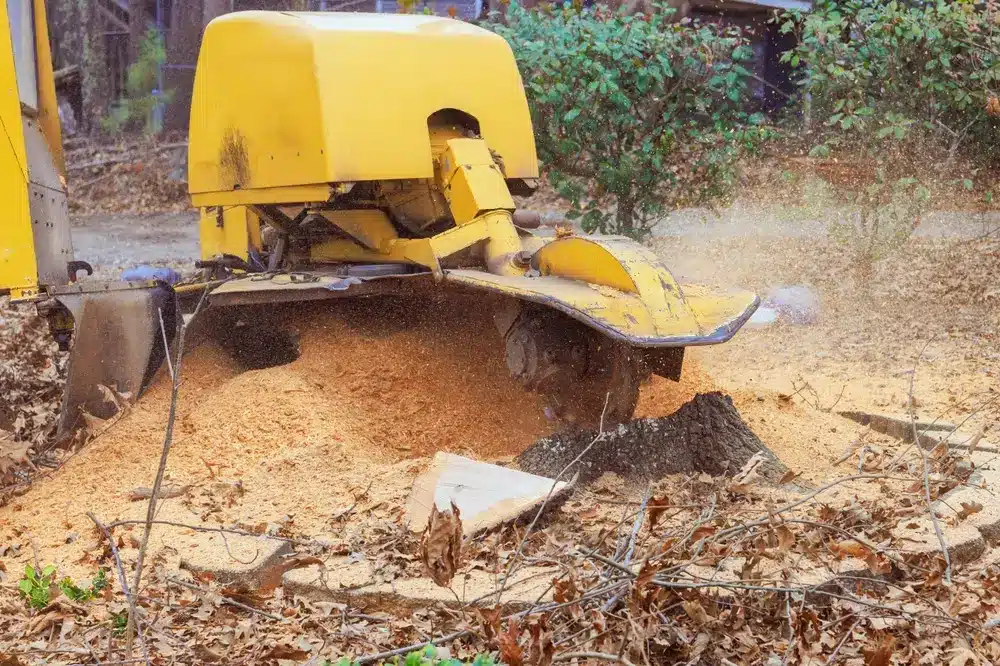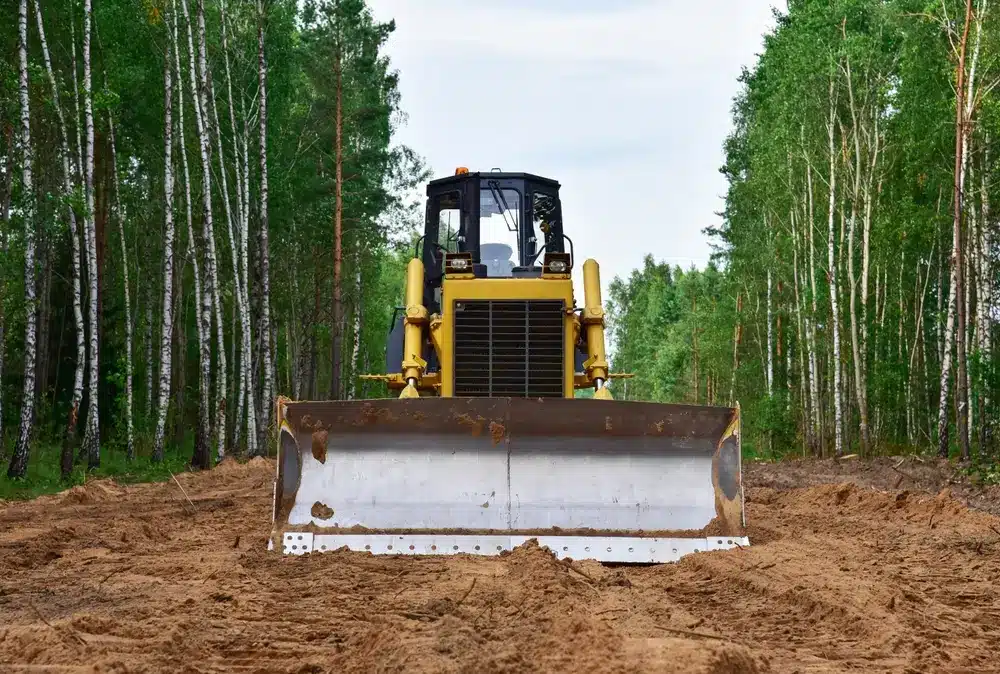
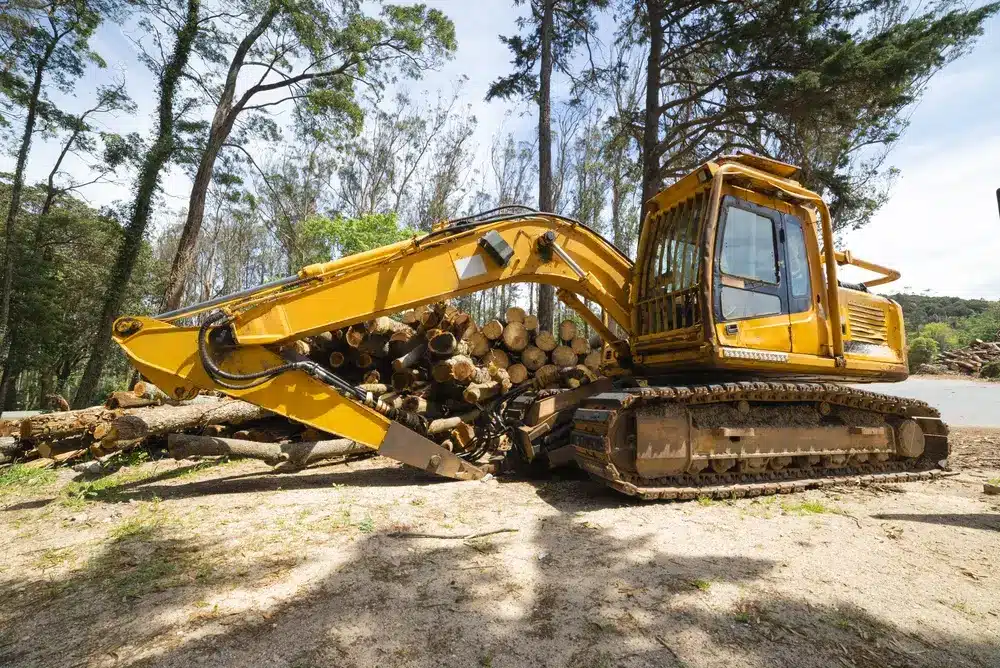
Modern forestry operations demand precision, efficiency, and adaptability to meet evolving project requirements. Forestry crane rentals have emerged as a game-changing solution for site managers seeking to optimize their operations while maintaining cost control. Whether you’re managing a large-scale logging operation, conducting selective harvesting, or handling emergency storm cleanup, rental equipment offers unparalleled flexibility and access to cutting-edge machinery without the burden of ownership costs.
The forestry industry faces unique challenges that require specialized equipment capable of handling diverse terrain, weather conditions, and operational demands. Site managers must balance productivity goals with budget constraints, environmental regulations, and safety requirements. This complex landscape makes equipment rental an increasingly attractive option for forward-thinking forestry professionals.
Strategic advantages of forestry equipment rentals
Implementing a rental strategy for forestry operations delivers significant advantages that extend beyond simple cost savings. Equipment rentals provide access to the latest technology and specialized machinery that might otherwise be financially prohibitive for many operations.
The most immediate benefit lies in capital preservation. Rather than tying up substantial funds in equipment purchases, site managers can allocate resources to other critical aspects of their operations. This financial flexibility becomes particularly valuable when dealing with seasonal fluctuations or project-specific requirements that don’t justify permanent equipment acquisition.
Maintenance and repair responsibilities shift to the rental provider, eliminating the need for specialized technicians and reducing operational overhead. This arrangement ensures equipment remains in optimal condition while freeing up internal resources for core forestry activities.
- Reduced capital investment and improved cash flow management
- Access to specialized equipment for specific project requirements
- Elimination of maintenance, storage, and insurance costs
- Ability to scale equipment inventory based on current demand
- Risk mitigation through professional equipment management
Enhanced project efficiency through rental solutions
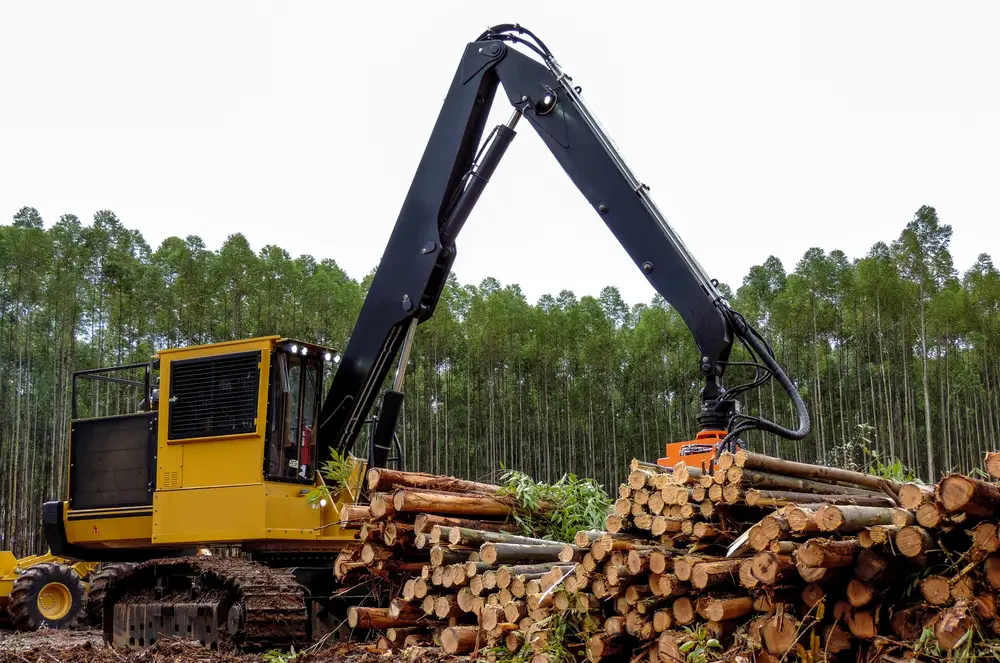
Forestry projects often require diverse equipment configurations depending on terrain, tree species, and operational objectives. Crane rentals and specialized forestry machinery enable site managers to match equipment capabilities precisely to project requirements, maximizing productivity and minimizing operational waste.
Rental providers typically maintain extensive inventories of well-maintained equipment, ensuring availability when needed most. This reliability factor proves crucial during peak seasons or when unexpected opportunities arise. Site managers can respond quickly to changing conditions without the lengthy procurement processes associated with equipment purchases.
Modern rental equipment often features advanced technology integration, including GPS tracking, performance monitoring systems, and enhanced safety features. These technological advantages translate directly into improved operational efficiency and reduced project timelines.
The ability to test different equipment models and manufacturers through rentals provides valuable insights for future purchasing decisions. Site managers can evaluate equipment performance under actual working conditions before committing to long-term investments.
Risk management and operational flexibility
Forestry operations inherently involve significant risks, from equipment breakdowns to environmental challenges. Forestry rentals serve as a comprehensive risk management strategy, transferring many operational uncertainties to experienced rental providers.
Equipment failures during critical project phases can result in costly delays and contractual penalties. Rental agreements typically include rapid replacement provisions, ensuring minimal disruption to ongoing operations. This level of support proves especially valuable in remote forestry locations where equipment service options may be limited.
Seasonal variations in forestry work create natural peaks and valleys in equipment demand. Rental solutions allow site managers to scale their machinery inventory dynamically, avoiding the costs associated with idle equipment during slower periods. This flexibility becomes particularly important for operations serving multiple geographical regions with varying seasonal patterns.
Insurance and liability considerations also favor rental arrangements. Professional rental companies maintain comprehensive coverage for their equipment, reducing the insurance burden on forestry operations while providing additional protection against unforeseen circumstances.
Technology integration and modern forestry practices
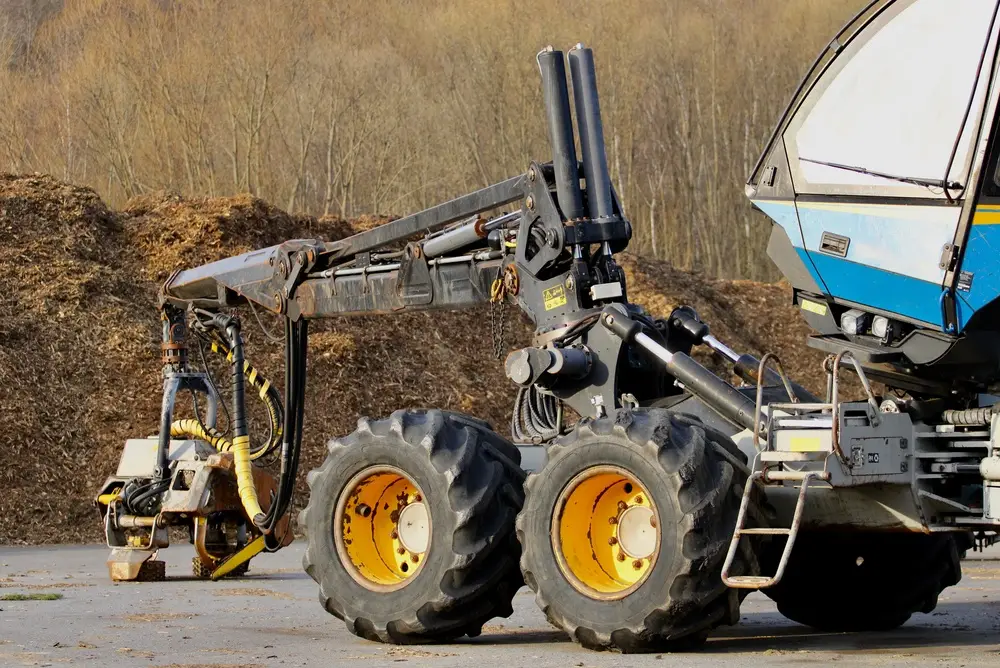
Contemporary forestry management increasingly relies on sophisticated technology to optimize operations and ensure regulatory compliance. Rental equipment provides access to state-of-the-art machinery equipped with precision harvesting systems, environmental monitoring capabilities, and integrated data collection tools.
These technological advantages support sustainable forestry practices while improving operational transparency and documentation. GPS-enabled equipment facilitates accurate mapping and tracking, essential for certification programs and environmental reporting requirements.
Advanced hydraulic systems and computerized controls found in modern rental equipment enhance operator safety while reducing physical demands. These ergonomic improvements contribute to better workforce retention and reduced injury rates, supporting long-term operational sustainability.
Integration with forest management software systems enables real-time data collection and analysis, supporting evidence-based decision making throughout the project lifecycle. This data-driven approach helps identify optimization opportunities and supports continuous improvement initiatives.
Cost optimization and budget management
Effective budget management remains a critical success factor for forestry operations of all sizes. Equipment rentals provide predictable costs that simplify financial planning while eliminating many hidden expenses associated with equipment ownership.
Rental fees typically include maintenance, repairs, and technical support, creating transparent pricing structures that facilitate accurate project bidding and cost control. This predictability proves especially valuable for fixed-price contracts where cost overruns can severely impact profitability.
The ability to match equipment costs directly to project revenue streams improves cash flow management and reduces financial risk. Site managers can structure rental agreements to align with project timelines and payment schedules, optimizing working capital requirements.
Tax advantages associated with equipment rentals often provide additional cost benefits compared to ownership scenarios. Rental expenses are typically fully deductible as operational costs, while equipment purchases require depreciation schedules that may not align with actual usage patterns.
Strategic partnerships with reliable rental providers enable volume discounts and preferential terms that further enhance cost optimization opportunities. These relationships become valuable assets that contribute to competitive advantages in project bidding and execution.
Optimizing your forestry site management through strategic equipment rentals represents a forward-thinking approach to modern forestry operations. The combination of cost control, operational flexibility, and access to advanced technology creates compelling advantages that directly impact project success and profitability. Contact our team today to explore how customized rental solutions can enhance your forestry operations and support your long-term business objectives.