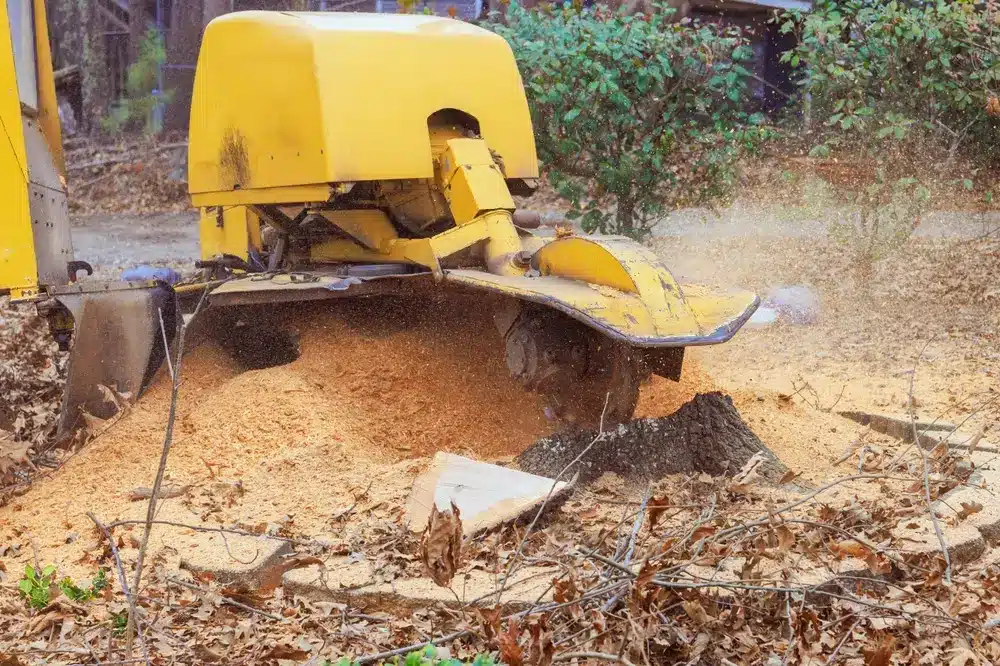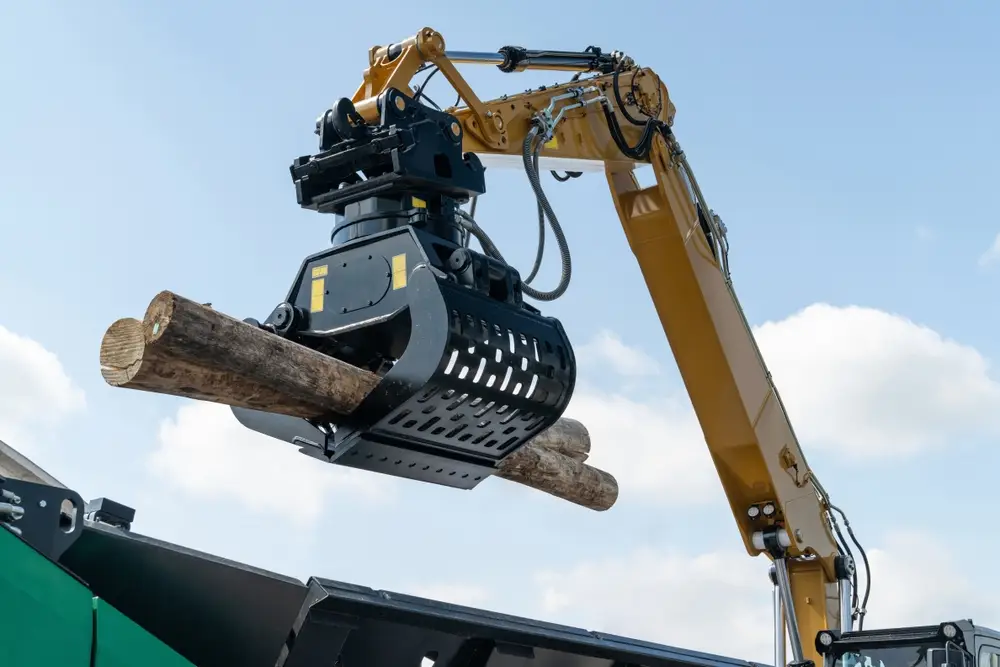
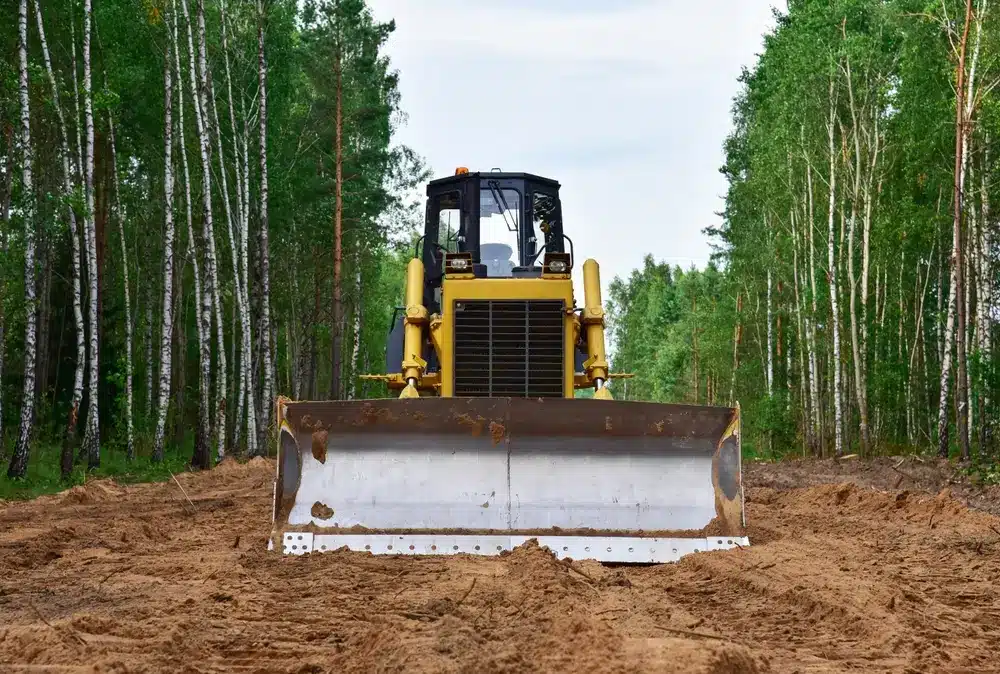
When it comes to acquiring forestry equipment for your operations, the decision between renting vs buying forestry equipment can significantly impact your business’s financial health and operational efficiency. Whether you’re managing a small timber harvesting project or overseeing large-scale forest management operations, understanding the advantages and drawbacks of each option is crucial for making an informed investment decision that aligns with your company’s goals and budget constraints.
Financial considerations when comparing renting vs buying forestry equipment
The financial aspect often serves as the primary deciding factor when evaluating forestry machinery acquisition options. Purchasing forestry equipment requires substantial upfront capital investment, with heavy-duty forestry cranes, harvesters, and forwarders often costing hundreds of thousands of dollars. This significant initial expense can strain cash flow and tie up capital that could be allocated to other business growth opportunities.
On the other hand, renting forestry equipment offers predictable monthly expenses without the burden of large down payments. Rental costs are typically considered operational expenses, which can provide tax advantages and improve cash flow management. However, long-term rental agreements may eventually exceed the purchase price of the equipment, making ownership more cost-effective for businesses with consistent, high-volume operations.
Additional financial factors include insurance costs, which are often included in rental agreements but become the owner’s responsibility when purchasing. Maintenance and repair expenses also vary significantly between the two options, with rental companies typically handling all service requirements while equipment owners must budget for ongoing maintenance costs.
Operational flexibility and project duration impact
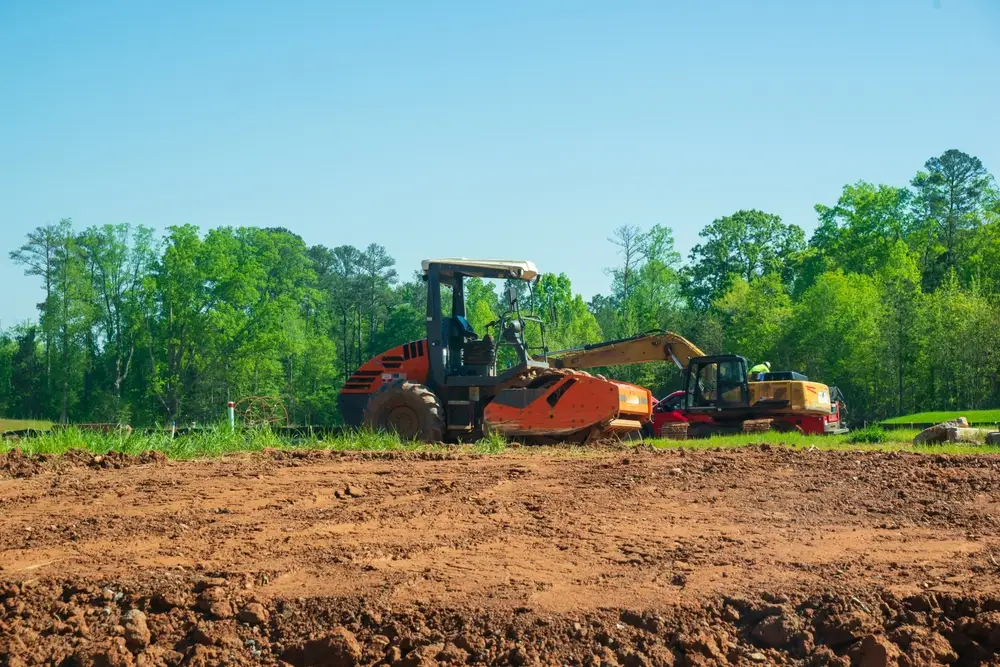
The nature and duration of your forestry projects play a crucial role in determining whether renting or buying makes operational sense. Short-term projects and seasonal operations often benefit from equipment rental, as it eliminates the need to store and maintain machinery during off-seasons. Rental arrangements provide access to the latest technology and well-maintained equipment without long-term commitments.
For businesses handling diverse forestry tasks, renting offers the flexibility to select specialized equipment for specific projects. Whether you need a timber crane for heavy lifting operations or a specialized harvester for selective cutting, rental companies typically maintain extensive fleets with various specifications and capabilities.
Conversely, companies with consistent year-round operations and predictable equipment needs may find purchasing more advantageous. Ownership provides unlimited access to machinery, eliminates scheduling conflicts with rental availability, and allows for customization to meet specific operational requirements. Long-term projects spanning multiple years often justify the initial investment through reduced per-day equipment costs.
Maintenance responsibilities and technical expertise requirements
Equipment maintenance represents a significant consideration when comparing renting vs buying forestry equipment. Rental agreements typically include comprehensive maintenance packages, ensuring that experienced technicians handle all service requirements. This arrangement eliminates the need for in-house maintenance expertise and reduces unexpected downtime due to mechanical failures.
Professional rental companies maintain their equipment according to manufacturer specifications and replace aging machinery before reliability becomes compromised. This proactive approach ensures optimal performance and minimizes project delays caused by equipment breakdowns.
Equipment ownership transfers all maintenance responsibilities to the buyer, requiring either in-house technical expertise or relationships with qualified service providers. While this provides greater control over maintenance schedules and service quality, it also demands significant knowledge of forestry equipment systems and access to specialized parts and tools.
The complexity of modern forestry machinery, with advanced hydraulic systems, computerized controls, and emission compliance requirements, often necessitates specialized training for maintenance personnel. This additional investment in human resources and training must be factored into the total cost of ownership calculations.
Technology access and equipment obsolescence factors
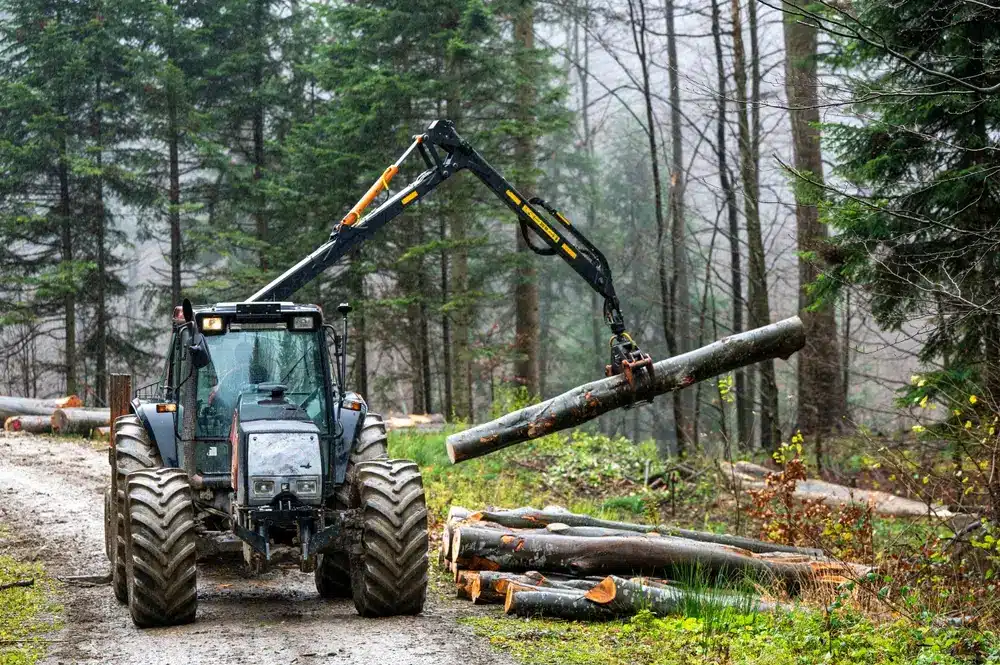
The forestry equipment industry continuously evolves with technological advancements in fuel efficiency, operator safety, and environmental compliance. Renting provides access to the latest equipment models without concerns about technological obsolescence affecting asset values. Rental fleets are regularly updated, ensuring access to current safety features, emission standards, and productivity enhancements.
Equipment owners face depreciation concerns and potential obsolescence as regulations change and technology advances. While well-maintained forestry equipment can provide decades of service, older machines may become less competitive due to higher operating costs, reduced fuel efficiency, or inability to meet evolving environmental standards.
However, ownership allows for long-term familiarity with specific equipment models, enabling operators to maximize productivity through experience and customization. Some businesses prefer maintaining consistent equipment types to streamline operator training and parts inventory management.
Making the right decision for your forestry business
The choice between renting and buying forestry equipment ultimately depends on your specific business circumstances, project requirements, and long-term strategic goals. Companies with variable workloads, limited capital resources, or diverse project requirements often benefit from rental flexibility. Conversely, businesses with consistent equipment needs, adequate capital, and in-house maintenance capabilities may find ownership more economical over time.
Consider conducting a comprehensive cost-benefit analysis that includes initial investment, operating expenses, maintenance costs, tax implications, and opportunity costs of capital allocation. Factor in your business growth projections, equipment utilization rates, and the importance of operational flexibility in your decision-making process.
Many successful forestry businesses employ a hybrid approach, owning essential equipment for core operations while renting specialized machinery for specific projects or peak demand periods. This strategy optimizes both cost efficiency and operational flexibility while maintaining access to the latest technology when needed.
Ready to explore your forestry equipment options? Contact our experienced team at Forestry Crane Rentals to discuss your specific requirements and discover how our comprehensive rental solutions can support your operational success while optimizing your equipment costs.