
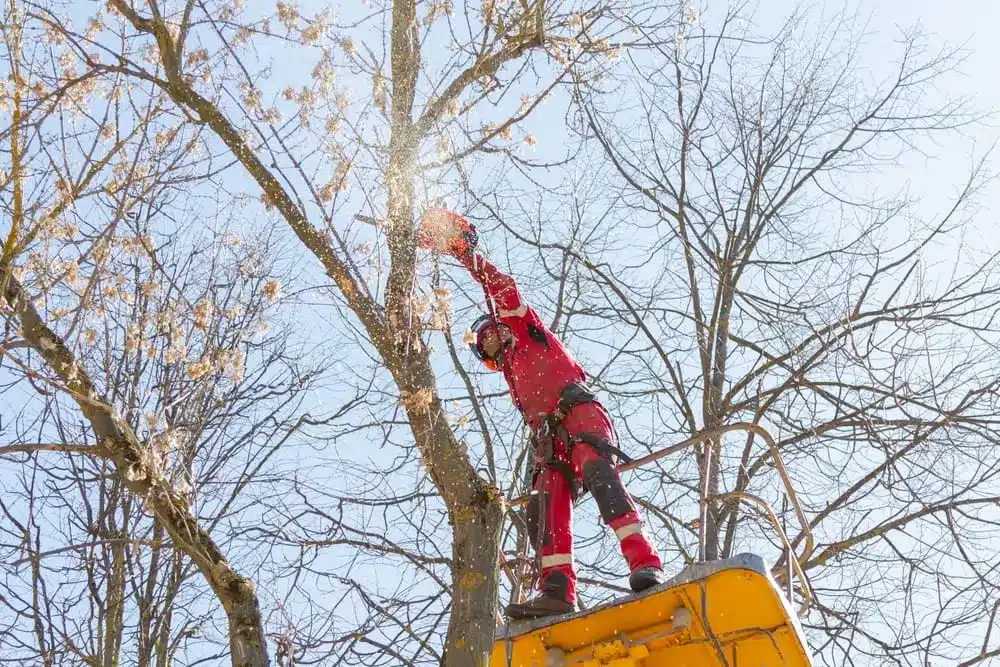
Tree trimming operations present unique challenges that demand rigorous safety protocols and specialized equipment. When working at heights with powerful machinery, professional arborists and forestry crews face multiple hazards that require comprehensive preparation and adherence to tree trimming safety standards. Understanding these best practices can mean the difference between a successful operation and a potentially catastrophic accident.
The complexity of modern forestry operations has evolved significantly, with boom lifts and specialized machinery becoming essential tools for accessing difficult terrain and reaching extreme heights safely. However, the effectiveness of this equipment depends entirely on proper training, maintenance protocols, and strict adherence to established safety guidelines.
Pre-operation safety assessment and planning
Every successful tree trimming operation begins with a thorough safety assessment of the work environment. Professional crews must evaluate multiple factors before beginning any cutting activities, including weather conditions, power line proximity, soil stability, and tree health assessment.
Wind speed represents one of the most critical factors affecting boom lift stability and operator control. Operations should be suspended when wind speeds exceed manufacturer specifications, typically around 25 mph for most boom lift models. Additionally, crews must identify and mark all overhead hazards, including electrical lines, communication cables, and neighboring structures that could be impacted by falling debris.
Ground conditions require equal attention, particularly when positioning heavy machinery on uneven or soft terrain. Outrigger placement must be verified on stable, level surfaces, with proper blocking materials used when necessary. The work zone should be clearly marked and secured to prevent unauthorized personnel from entering dangerous areas during operations.
Communication protocols must be established before work begins, ensuring all crew members understand hand signals, radio procedures, and emergency response plans. A designated ground spotter should maintain constant visual contact with the boom lift operator, providing guidance and monitoring for developing hazards.
Equipment inspection and maintenance protocols
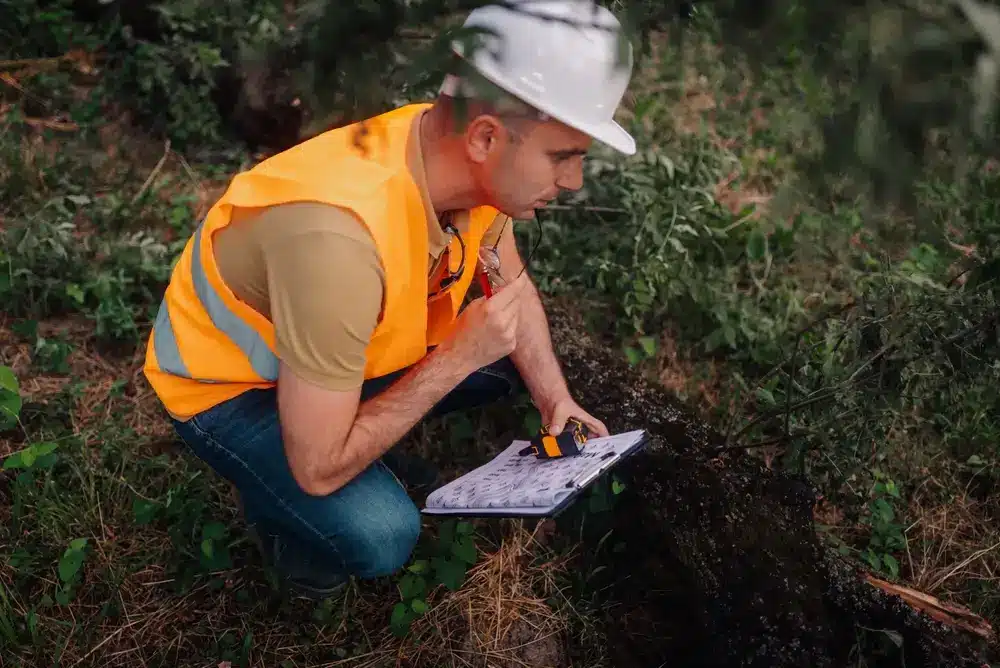
Regular equipment maintenance forms the backbone of safe tree trimming operations. Boom lifts require daily pre-operation inspections covering hydraulic systems, safety devices, structural components, and emergency controls. Operators must verify proper function of all safety systems, including emergency descent mechanisms and backup power supplies.
Cutting tools demand special attention, as dull or damaged equipment increases operator fatigue and reduces cutting precision. Chain saws should be inspected for proper chain tension, adequate lubrication, and functioning safety features including chain brakes and throttle locks. Pole saws and other extended-reach tools require verification of secure connections and proper balance to prevent operator strain.
Personal protective equipment inspection cannot be overlooked, with safety harnesses requiring regular examination for wear, damage, or aging. Hard hats, eye protection, and cut-resistant clothing must meet current safety standards and be properly fitted to each operator. Fall protection systems should be tested according to manufacturer recommendations and replaced immediately if any defects are discovered.
Documentation of all inspections and maintenance activities provides crucial liability protection while ensuring compliance with regulatory requirements. Maintenance logs should include detailed records of repairs, replacements, and certification updates for all safety-critical components.
Hydraulic system safety checks
Boom lift hydraulic systems require particular attention during safety inspections. Operators must check for fluid leaks, proper pressure levels, and smooth operation of all movement controls. Emergency lowering valves should be tested regularly to ensure proper function during power failures or mechanical emergencies.
Proper use of boom lifts in tree trimming safety operations
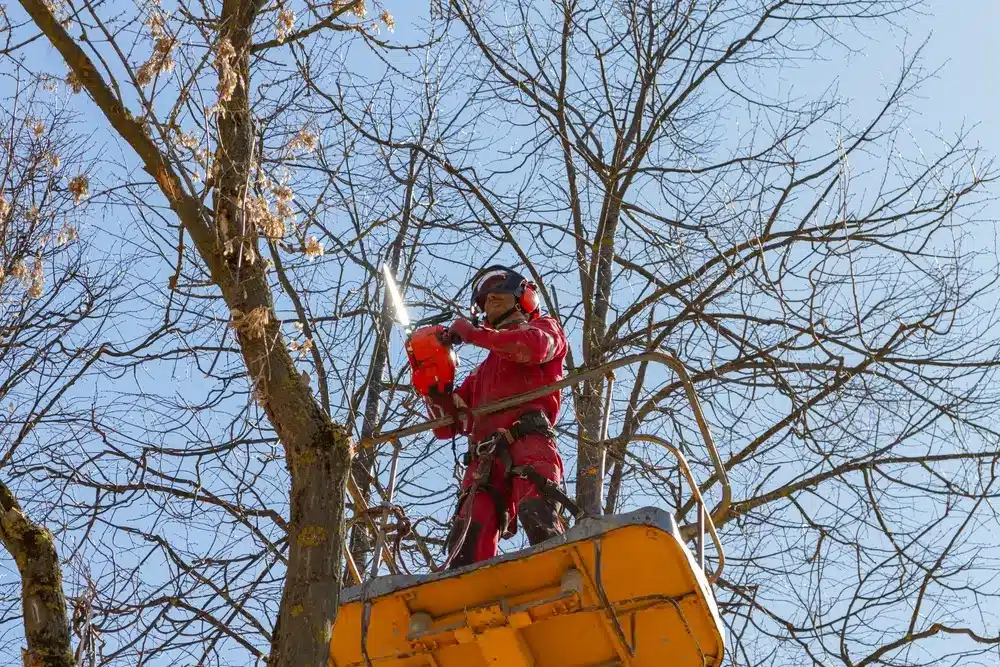
Boom lift operation in forestry environments demands specialized techniques that differ significantly from construction or maintenance applications. Approach angles must be carefully calculated to avoid contact between the boom structure and tree limbs during positioning. Operators should maintain awareness of boom geometry throughout the cutting process, as limb removal can alter weight distribution and create unexpected swing hazards.
Maximum working loads must never be exceeded, with particular attention paid to the combined weight of operators, tools, and cut debris. Many accidents occur when operators attempt to lower heavy limb sections using the boom lift platform, creating dangerous overload conditions. Proper rigging techniques should be employed to control falling debris without compromising boom stability.
Platform positioning requires careful consideration of escape routes and emergency procedures. Operators should maintain clear pathways for rapid evacuation while ensuring adequate working space for tool operation. The platform should never be used as an anchor point for rigging operations or debris removal systems.
Communication between boom operators and ground crews becomes critical during cutting operations, particularly when removing large limbs that could impact the boom structure. Standardized signals and radio procedures help prevent misunderstandings that could lead to equipment damage or operator injury.
Emergency response and rescue procedures
Comprehensive emergency response planning addresses the unique challenges of boom lift rescue operations in forest environments. Ground crews must be trained in emergency descent procedures and equipped with appropriate rescue tools including secondary boom lifts or aerial apparatus when available.
Medical emergency protocols should account for the difficulties of accessing injured operators at height in remote locations. Emergency medical supplies must be readily available, and communication plans should include provisions for contacting emergency services with precise location information and access route details.
Equipment failure scenarios require specific response procedures, including emergency power systems, manual descent controls, and ground-based rescue capabilities. Backup power sources should be tested regularly and maintained according to manufacturer specifications to ensure reliable operation during emergencies.
Weather emergency procedures must address rapidly changing conditions that could compromise operator safety. Lightning protocols should include immediate evacuation procedures and safe shelter locations, while high wind procedures should specify equipment shutdown and securing protocols.
Rescue equipment and training requirements
Professional forestry crews should maintain specialized rescue equipment including emergency descent devices, first aid supplies, and communication equipment. Regular training exercises help ensure crew readiness and identify potential improvements in emergency response procedures.
Regulatory compliance and industry standards
Professional tree trimming operations must comply with multiple regulatory frameworks including OSHA standards, state forestry regulations, and industry-specific safety requirements. Operator certification requirements vary by jurisdiction but typically include both equipment-specific training and general safety education components.
Documentation requirements encompass operator training records, equipment maintenance logs, and safety incident reporting. Regular safety audits help identify compliance gaps and ensure continuous improvement in safety performance. Insurance requirements may specify additional training or equipment standards beyond minimum regulatory requirements.
Industry best practices continue to evolve with technological advances and improved understanding of forestry safety risks. Professional organizations provide valuable resources for staying current with safety developments and sharing lessons learned from industry incidents.
Implementing these comprehensive tree trimming safety practices requires ongoing commitment from management and crews alike. The investment in proper training, equipment maintenance, and safety protocols pays dividends in reduced accidents, lower insurance costs, and improved operational efficiency. For professional forestry operations seeking to enhance their safety standards with specialized boom lift equipment, contact our team of experts who can provide customized solutions for your specific operational requirements and safety objectives.