Effective vegetation management represents a major challenge for professionals in arboriculture, forest maintenance, and green space management. Whether the goal is to maintain power line safety, preserve forest biodiversity, or optimize crop growth, modern vegetation management techniques require a strategic approach and specialized equipment. In a context where operational efficiency and environmental responsibility are inseparable, mastering these methods is essential for any professional in the field.
Innovative mechanical techniques for forest management
Mechanical methods form the backbone of modern vegetation management, particularly in complex forest environments. The use of specialized aerial platforms and precision cutting equipment enables effective operations in difficult-to-access terrain.
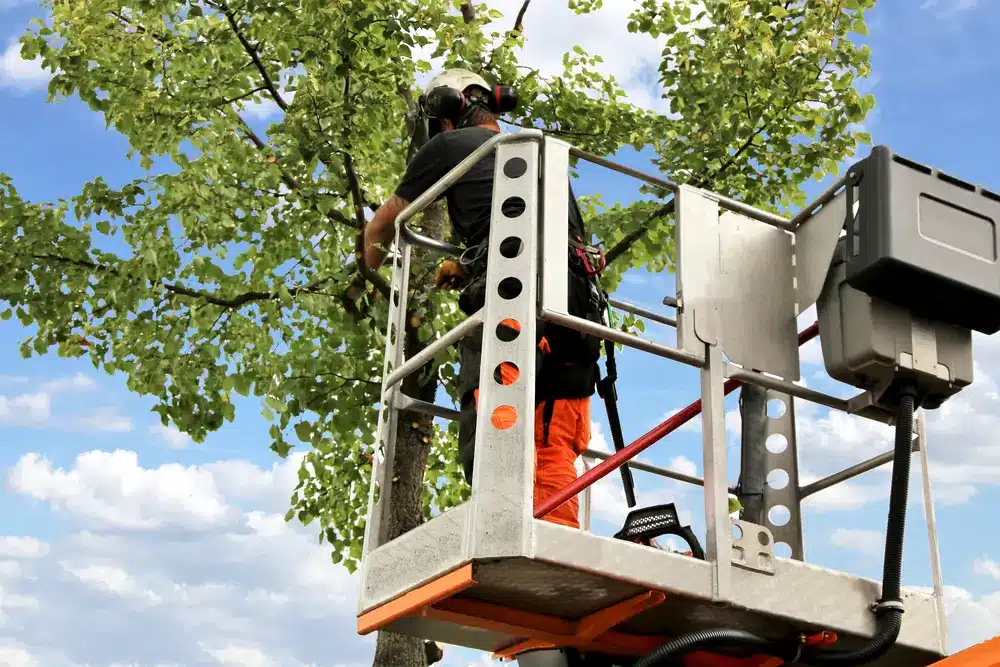
Forestry boom lifts represent a major advancement in this field, providing exceptional reach and stability for high-level pruning operations. These machines allow operators to access areas that were previously unreachable while maintaining optimal safety conditions. Their articulated arm technology makes it easier to maneuver around natural obstacles, improving the productivity of vegetation management tasks.
Tracked hydraulic brush cutters are highly effective for clearing dense undergrowth. Their ability to operate on steep slopes and in marshy terrain makes them essential tools for large-scale projects. The integration of mulching systems enables natural decomposition of organic material, contributing to soil enrichment and improved forest health.
Targeted and environmentally responsible chemical approaches
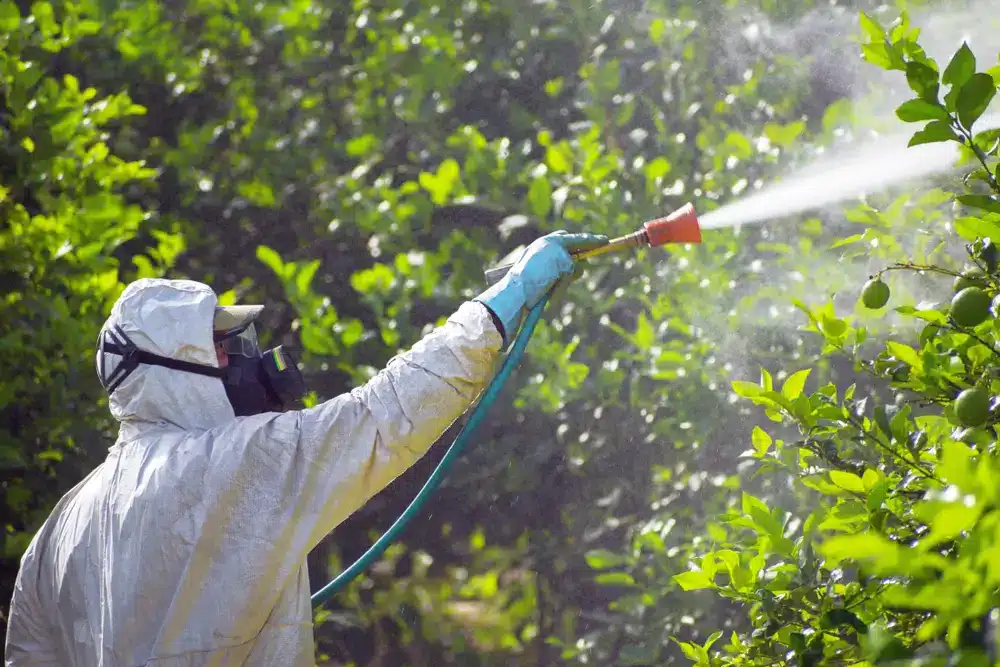
Selective chemical treatments have evolved toward more environmentally responsible solutions, focusing on precise application rather than large-scale spraying. Next-generation systemic herbicides target specific plant species while preserving surrounding biodiversity.
Direct trunk injection is a particularly effective method for eliminating unwanted trees. This technique minimizes the spread of chemicals in the environment while ensuring highly targeted results. Precision applicators equipped with GPS systems enable accurate dosing and full traceability of interventions.
Bio-herbicides are gaining popularity due to their reduced environmental impact. Derived from natural microorganisms or plant extracts, they offer a sustainable alternative for the selective suppression of competing vegetation. Their use is particularly relevant in sensitive areas near waterways or protected habitats.
Integrated ecological management and biological techniques
The integrated ecological approach is transforming vegetation management strategies by relying on natural ecosystem processes. This philosophy favors biological regulation and adaptive management rather than systematic intervention.
Controlled grazing using specialized herbivores offers an innovative solution for maintaining large areas. Goats and sheep, guided by mobile fencing systems, provide natural brush clearing while also fertilizing the soil. This method is particularly effective for preventing forest fires and managing peri-urban landscapes.
The introduction of biological control agents such as specific insects or pathogenic fungi provides long-term regulation of invasive species. These biological control programs require scientific expertise but deliver sustainable results with minimal environmental impact.
Advanced technologies for operational optimization
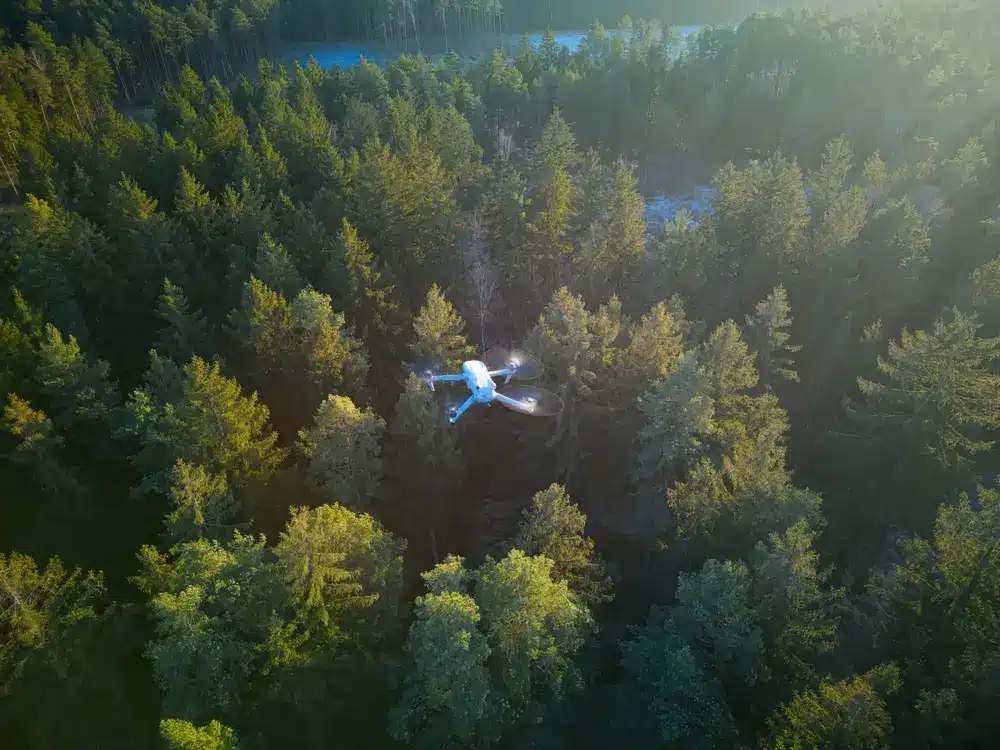
The integration of digital technologies is transforming the efficiency of vegetation management operations. Drones equipped with multispectral sensors allow precise vegetation mapping and early identification of problematic areas.
GPS navigation systems integrated into field equipment optimize intervention routes and ensure complete coverage of treatment zones. This technology significantly reduces travel time and improves the traceability of operations.
Artificial intelligence applied to satellite image analysis is revolutionizing intervention planning. These predictive tools allow professionals to anticipate vegetation growth patterns and adjust management strategies accordingly. Remote sensing also facilitates post-intervention monitoring and the evaluation of treatment effectiveness.
Strategic planning and risk management
Effective vegetation management relies on careful planning that takes into account natural cycles, regulatory constraints, and long-term objectives. Developing multi-year management plans helps optimize resources and maintain consistency in interventions.
Environmental risk assessment is an essential prerequisite before any intervention. This analysis must consider the presence of protected species, habitat sensitivity, and potential impacts on surrounding ecosystems. Appropriate operational protocols ensure compliance with environmental regulations.
Continuous training for technical teams ensures the proper implementation of these advanced techniques. Operator certification and regular skill updates are essential investments for maintaining operational excellence and ensuring safe interventions.
Mastering these vegetation management techniques provides a decisive competitive advantage in an industry that is constantly evolving. The adoption of innovative approaches combined with the use of specialized equipment ensures sustainable and environmentally responsible results. To discover equipment solutions tailored to your vegetation management projects and benefit from expert guidance, contact our team today for a personalized consultation.