
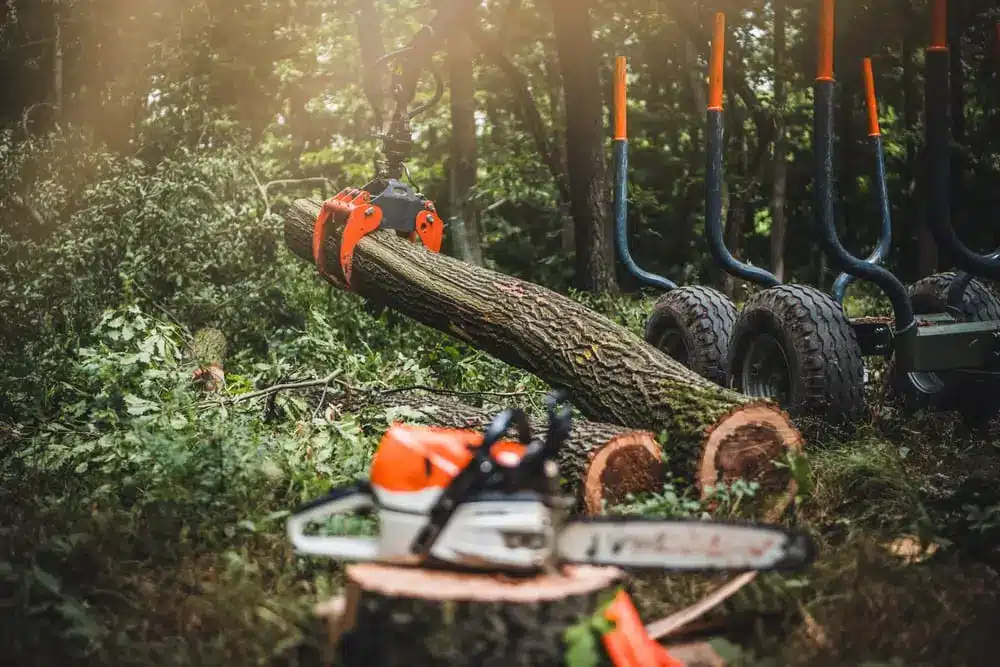
Forestry equipment represents a significant investment for arboriculture professionals, land clearing specialists, and vegetation management teams. Whether you operate boom lifts, tree trimmers, or specialized forestry machinery, proper maintenance is crucial for ensuring optimal performance, safety, and longevity. Neglecting regular upkeep can lead to costly breakdowns, safety hazards, and reduced operational efficiency. This comprehensive guide provides practical maintenance strategies that will help you maximize your equipment’s lifespan while maintaining the highest safety standards in challenging forest environments.
Essential daily and pre-operation inspections
The foundation of effective forestry equipment maintenance begins with thorough daily inspections before each operation. Start by examining all hydraulic systems for leaks, checking fluid levels, and ensuring proper pressure readings. Pay special attention to boom lift cylinders, as these components endure significant stress during tree trimming and vegetation management tasks.
Visual inspection of the undercarriage is equally critical, particularly for equipment operating on difficult terrain. Look for damaged tracks, worn tires, or loose components that could compromise stability. Check all safety systems including emergency stops, warning lights, and communication devices. These systems are your first line of defense in forest environments where help may not be readily available.
Document your findings in a maintenance log to track recurring issues and establish patterns. This data becomes invaluable for predicting when components might need replacement and helps justify maintenance budgets to management. Remember that a few minutes of inspection time can prevent hours of costly downtime in remote forest locations.
Hydraulic system care for boom lifts and specialized machinery
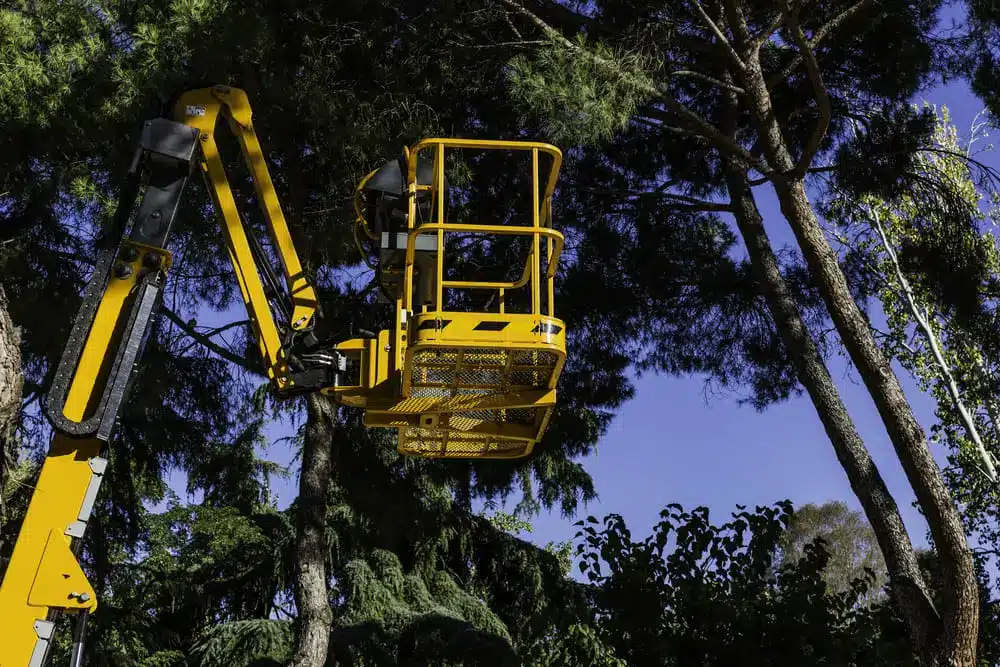
Hydraulic systems are the heart of most forestry machinery, powering everything from boom movements to cutting mechanisms. Maintaining clean hydraulic fluid is paramount, as contaminated fluid can cause rapid component wear and system failure. Replace hydraulic filters according to manufacturer specifications, but consider more frequent changes if operating in dusty forest conditions.
Monitor hydraulic fluid temperature during operation, especially during intensive tree trimming sessions. Overheating can break down fluid properties and damage seals throughout the system. Install auxiliary cooling systems if your equipment regularly operates in high-temperature environments or during extended work cycles.
Keep hydraulic fittings and connections clean and properly tightened. Forest debris can accumulate around these connections, leading to contamination when repairs are needed. Use proper torque specifications when servicing hydraulic components, as over-tightening can damage threads while under-tightening creates leak points.
Engine maintenance strategies for harsh forest environments
Forest environments present unique challenges for engine maintenance, with dust, debris, and varying terrain demanding extra attention to filtration and cooling systems. Change air filters more frequently than standard recommendations, as forest dust and organic particles can quickly clog filtration systems and reduce engine performance.
Cooling system maintenance becomes critical when operating boom lifts and other forestry equipment in dense vegetation. Remove accumulated debris from radiator fins and cooling fans regularly. Consider installing pre-cleaner systems or upgraded filtration to extend service intervals in particularly dusty conditions.
Use high-quality engine oils designed for severe-duty applications. The stop-and-go nature of forestry work, combined with varying load conditions, places additional stress on engine components. Implement oil analysis programs to monitor engine health and identify potential issues before they become major repairs.
Preventive maintenance scheduling and record keeping

Developing a structured preventive maintenance program is essential for maximizing equipment reliability and minimizing unexpected failures. Create maintenance schedules based on both operating hours and calendar time, as forest equipment may experience long periods of storage between seasons.
Establish maintenance intervals that account for your specific operating conditions. Equipment working in abrasive environments or difficult terrain may require more frequent service than manufacturer recommendations suggest. Track component replacement patterns to refine your maintenance intervals over time.
Maintain detailed records of all maintenance activities, including parts used, labor hours, and any observations about equipment condition. These records prove invaluable for warranty claims, resale value, and identifying chronic problems. Consider digital maintenance management systems that can track multiple pieces of equipment and generate automated service reminders.
Storage and winterization for forestry equipment
Proper storage procedures are crucial for maintaining forestry equipment during off-seasons or extended periods of non-use. Clean all equipment thoroughly before storage, paying special attention to removing organic debris that could retain moisture and promote corrosion.
Protect hydraulic systems by cycling all functions to distribute preservative fluids throughout the system. Fill fuel tanks and add stabilizers to prevent fuel degradation and tank corrosion. Remove batteries and store them in climate-controlled environments, or maintain them with automatic chargers designed for long-term storage.
Cover equipment with breathable materials that prevent moisture accumulation while protecting from UV damage and debris. Position boom lifts and extendable equipment in fully retracted positions to minimize stress on seals and cylinders during storage periods.
Investing in proper forestry equipment maintenance pays dividends in reduced downtime, improved safety, and extended equipment life. By implementing these practical maintenance strategies, you’ll ensure your boom lifts and specialized machinery remain reliable partners in your vegetation management operations. Ready to optimize your equipment maintenance program? Contact our forestry equipment experts today to discuss maintenance solutions tailored to your specific operational needs and discover how professional support can enhance your fleet’s performance and reliability.