
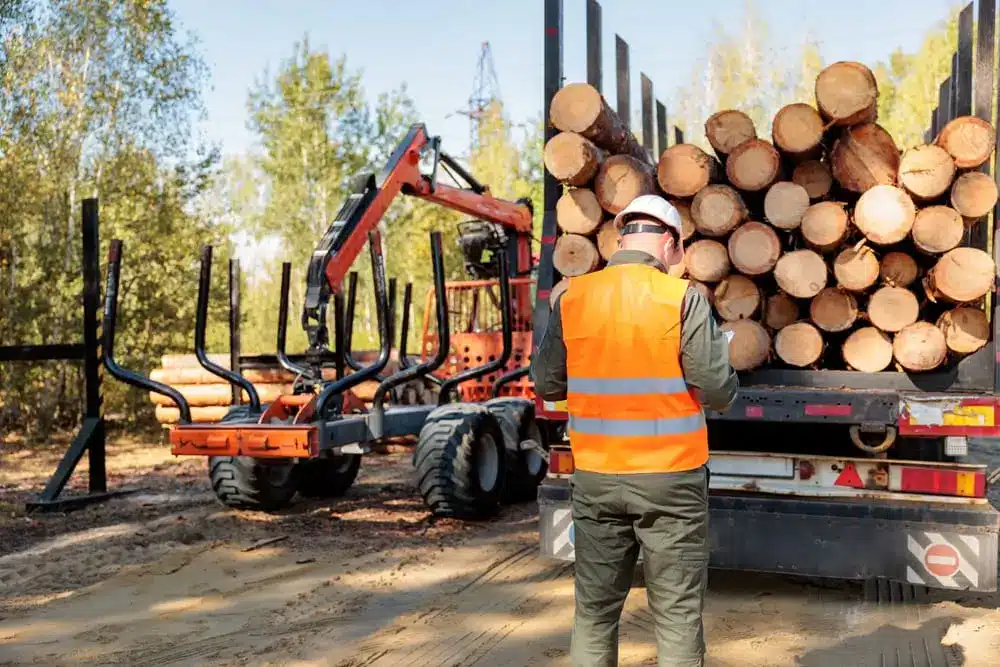
In the forestry and green space maintenance sector, optimizing equipment costs is a major challenge for maintaining profitability while ensuring high performance. Professionals in arboriculture, brush clearing, and vegetation maintenance constantly seek cost-effective solutions that do not compromise the quality of their work. Achieving the right balance between operational efficiency and budget control requires a strategic approach and a thorough understanding of the different options available on the market.
Cost-efficient strategies for acquiring forestry equipment
Purchasing forestry equipment often represents the largest expense for specialized companies. To optimize these investments, several acquisition strategies can be implemented. Group purchasing is one effective approach that allows businesses to negotiate better prices with manufacturers. This method is particularly beneficial for contractor cooperatives or groups of companies operating in the same region.
Leasing with a purchase option is another attractive alternative, allowing costs to be spread over several years while providing immediate access to the equipment. This solution helps preserve cash flow and makes equipment renewal easier. In addition, purchasing certified used equipment can lead to significant savings, provided that its condition and maintenance history are carefully verified.
Partnering with local dealers can also provide advantageous conditions, especially in terms of after-sales service and spare parts availability. These partnerships may also offer access to demonstration units or end-of-series equipment at reduced prices.
Maximizing the lifespan of lifts and specialized equipment
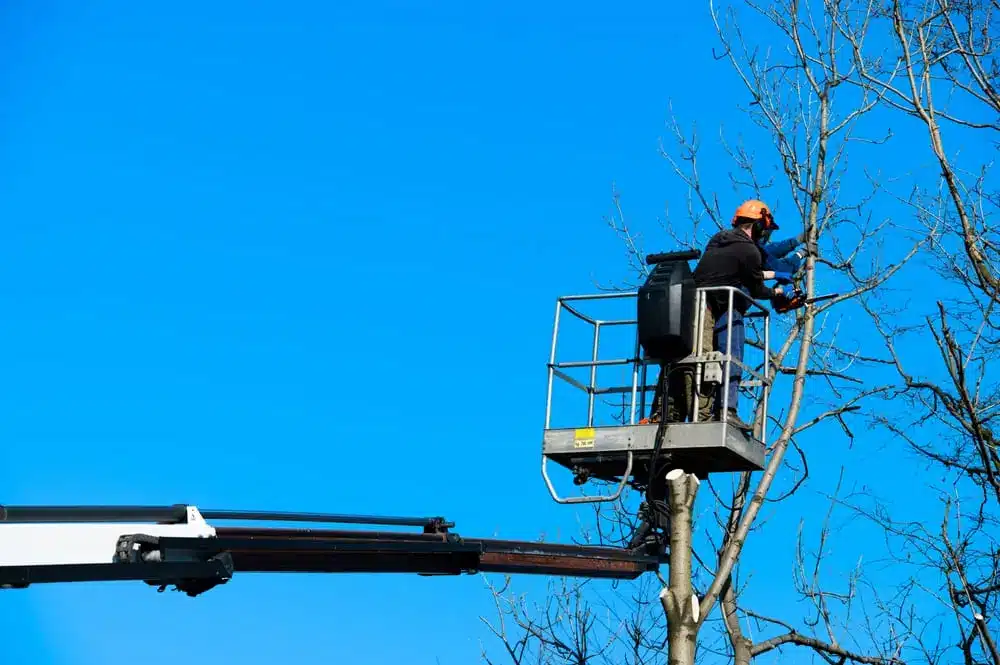
The longevity of forestry equipment largely depends on the quality of its maintenance and usage. A well-structured preventive maintenance program can significantly reduce repair costs and extend the useful life of machinery. This approach includes regular inspections, respecting service intervals, and replacing wear parts before they fail.
Operator training is also a key investment for optimizing equipment use. Well-trained personnel reduce the risk of accidental damage and improve operational efficiency. Manufacturers often provide training programs that can be integrated into purchase or leasing agreements.
Using telematics and fleet management tools allows businesses to monitor equipment performance in real time. These systems provide valuable data on operating hours, fuel consumption, and maintenance needs, helping optimize schedules and prevent costly breakdowns.
Optimizing operational costs in forestry
Beyond acquisition, reducing operational costs requires efficient resource and process management. Planning interventions helps maximize equipment use by minimizing unnecessary travel and grouping projects by geographic area. This logistical organization can generate significant savings in transport and fuel expenses.
The adoption of modern technologies such as GPS systems and job-site management software improves productivity and reduces downtime. These tools enable better coordination between teams and more efficient use of specialized equipment. The initial investment in such technologies is usually quickly offset by productivity gains.
Equipment sharing between companies or the creation of equipment pools can also reduce fixed costs. This collaborative approach spreads investments across multiple organizations while maintaining access to high-quality machinery for all participants.
Innovative technologies to reduce equipment expenses
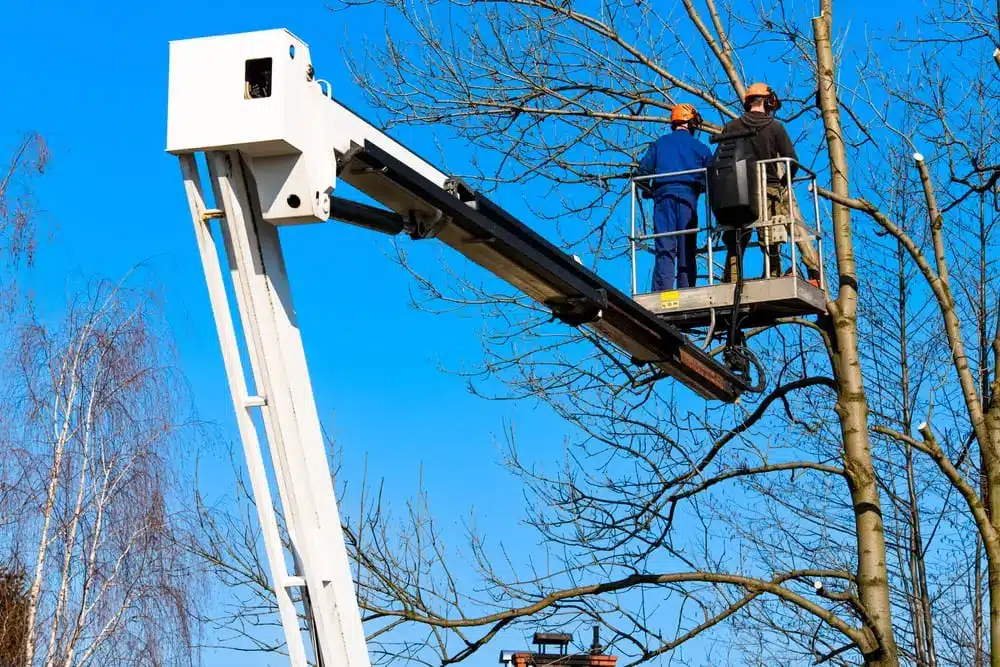
Technological innovation offers new opportunities to reduce costs while improving performance. Electric or hybrid equipment, although more expensive initially, can generate substantial savings on fuel and maintenance. These technologies are particularly beneficial for operations in urban environments or sensitive areas where noise reduction is important.
The use of IoT sensors and artificial intelligence for predictive maintenance represents a major advancement in forestry equipment management. These innovative technologies allow operators to anticipate breakdowns and optimize maintenance schedules, reducing both costs and downtime.
Automated control systems and driver-assistance technologies also improve operational precision while reducing operator fatigue. These features increase productivity and decrease the risk of accidents, directly impacting insurance and repair costs.
Financing and leasing: cost-effective alternatives
Innovative financing solutions allow forestry companies to access modern equipment without tying up significant capital. Operational leasing offers flexibility to upgrade equipment as needs evolve while benefiting from included maintenance services. This option is particularly suitable for seasonal businesses or companies working on fixed-term projects.
Lease financing with integrated services provides a comprehensive solution including maintenance, insurance, and sometimes even operator training. This integrated approach ensures better cost predictability and simplifies administrative management.
Partnerships with manufacturers for performance-based contracts represent a modern evolution in equipment financing. In this model, the manufacturer commits to measurable performance results, creating a strong alignment of interests between supplier and end user.
Optimizing forestry equipment costs requires a comprehensive strategy combining smart acquisition methods, rigorous preventive maintenance, and the adoption of innovative technologies. By integrating these different approaches, forestry professionals can maintain high standards of quality while keeping equipment budgets under control. Contact our experts to discover the forestry equipment solutions best suited to your specific needs and maximize your return on investment.